The New Playbook: How Crypto Builders Are Funding Apps Without VCs
Trading fees, token launchers, and the end of the fundraising grind.
The New Playbook: How Crypto Builders Are Funding Apps Without VCs
Trading fees, token launchers, and the end of the fundraising grind
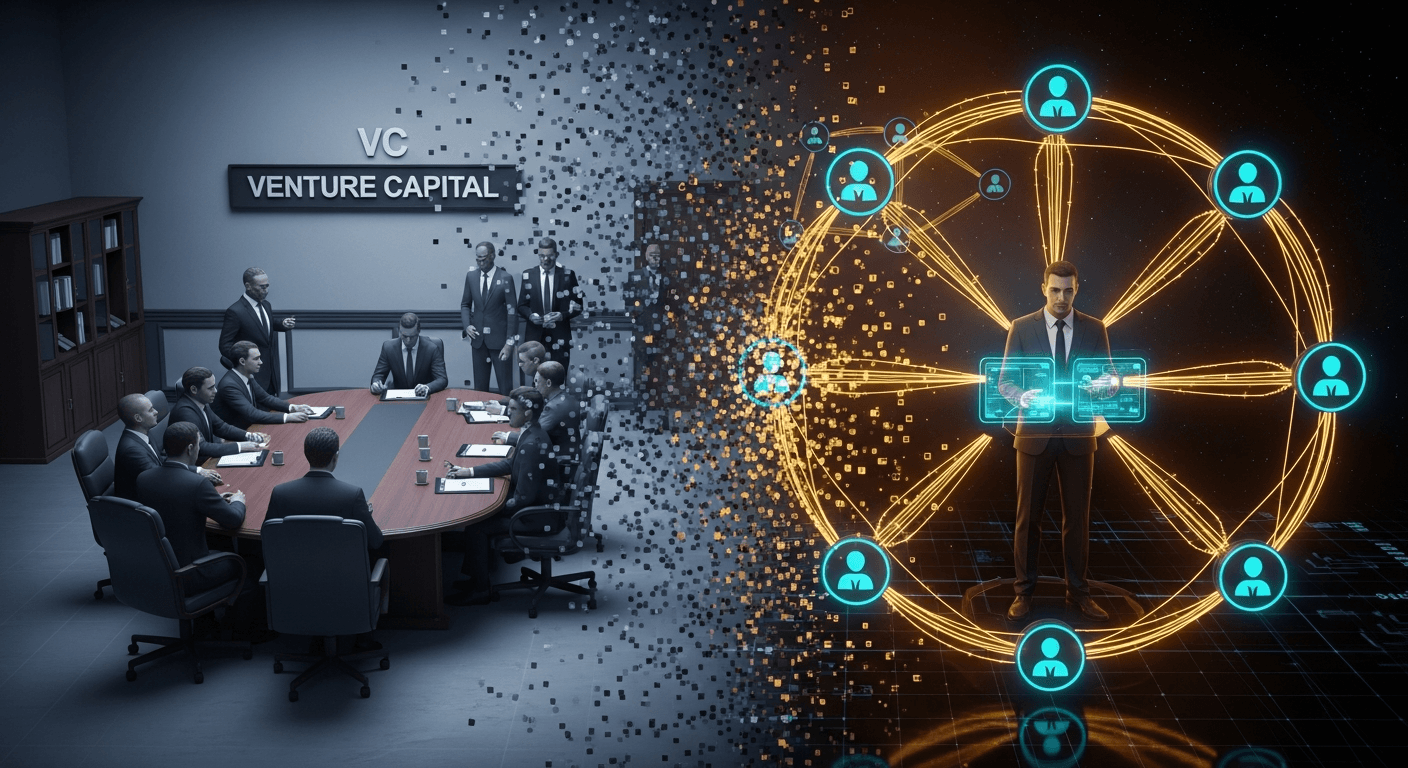
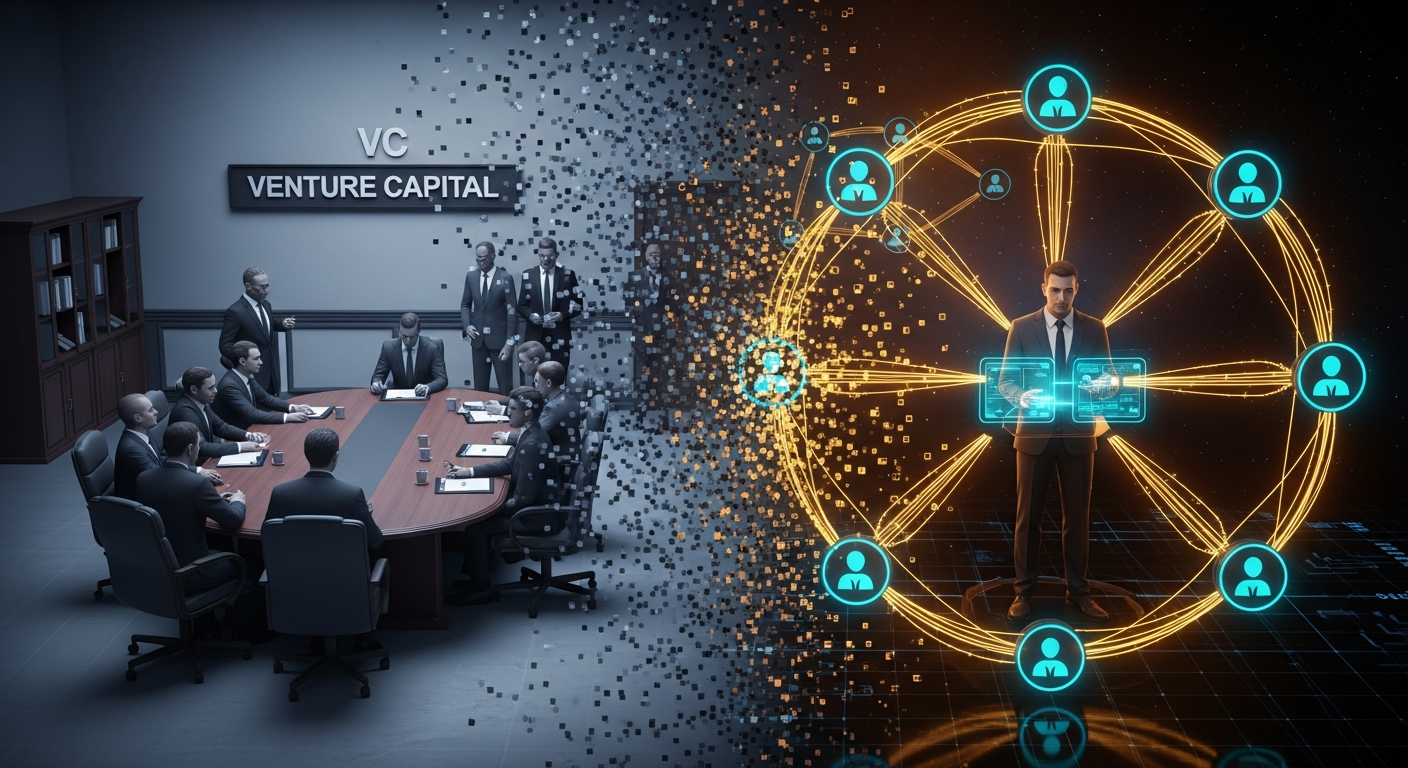
For a decade, the path to building a crypto company looked familiar: pitch VCs, raise a seed round, give up 25% of your company, then spend two years building before you could even think about revenue.
That playbook is breaking.
A new generation of builders is skipping VCs entirely. Instead of pitching Sand Hill Road, they're launching tokens—and earning money from day one.
The numbers are hard to ignore. Pump.fun, a Solana-based token launcher, has generated $834 million in revenue in under two years. Top creators on the platform reportedly earn $500,000+ monthly from trading fees alone. Clanker, a similar platform on Base, has processed $31.5 million in fees with 324,000 unique traders.
Meanwhile, Hyperliquid proved the model at scale: 11 employees, zero VC funding, $1.24 billion in annual revenue.
The question isn't whether this works. The question is whether it works for you.
The Appcoin Model Explained
Here's how it works in practice:
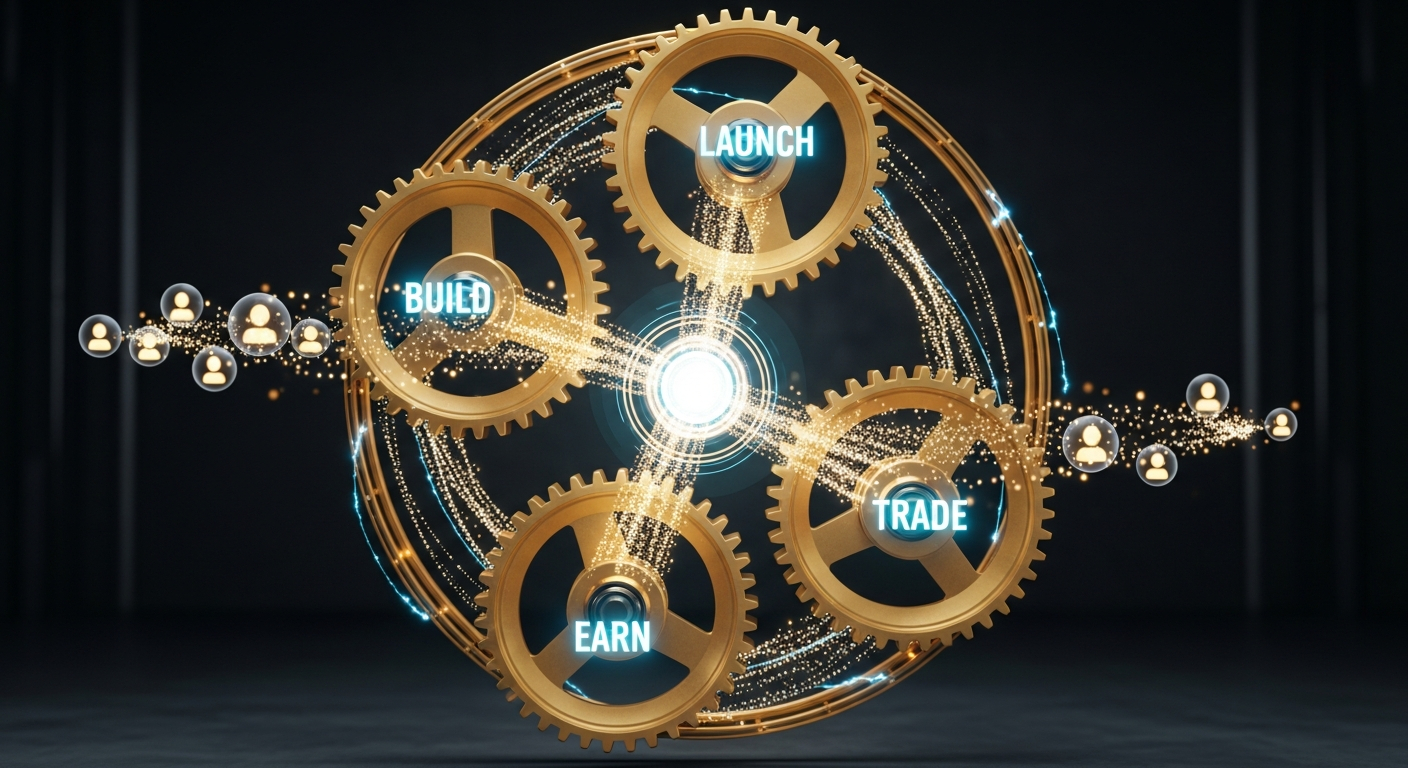
Step 1: Build something useful. An app, a tool, a community, a meme—something people want to engage with.
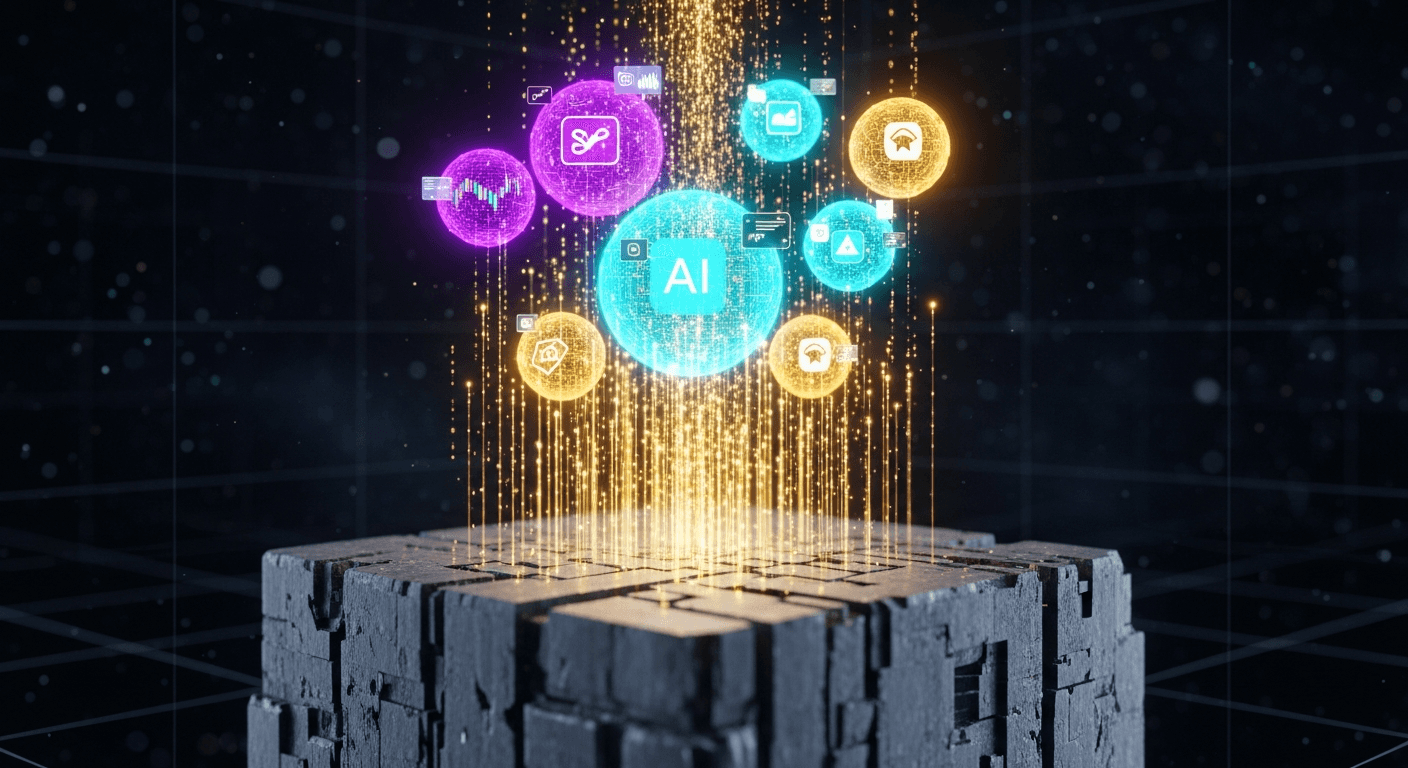
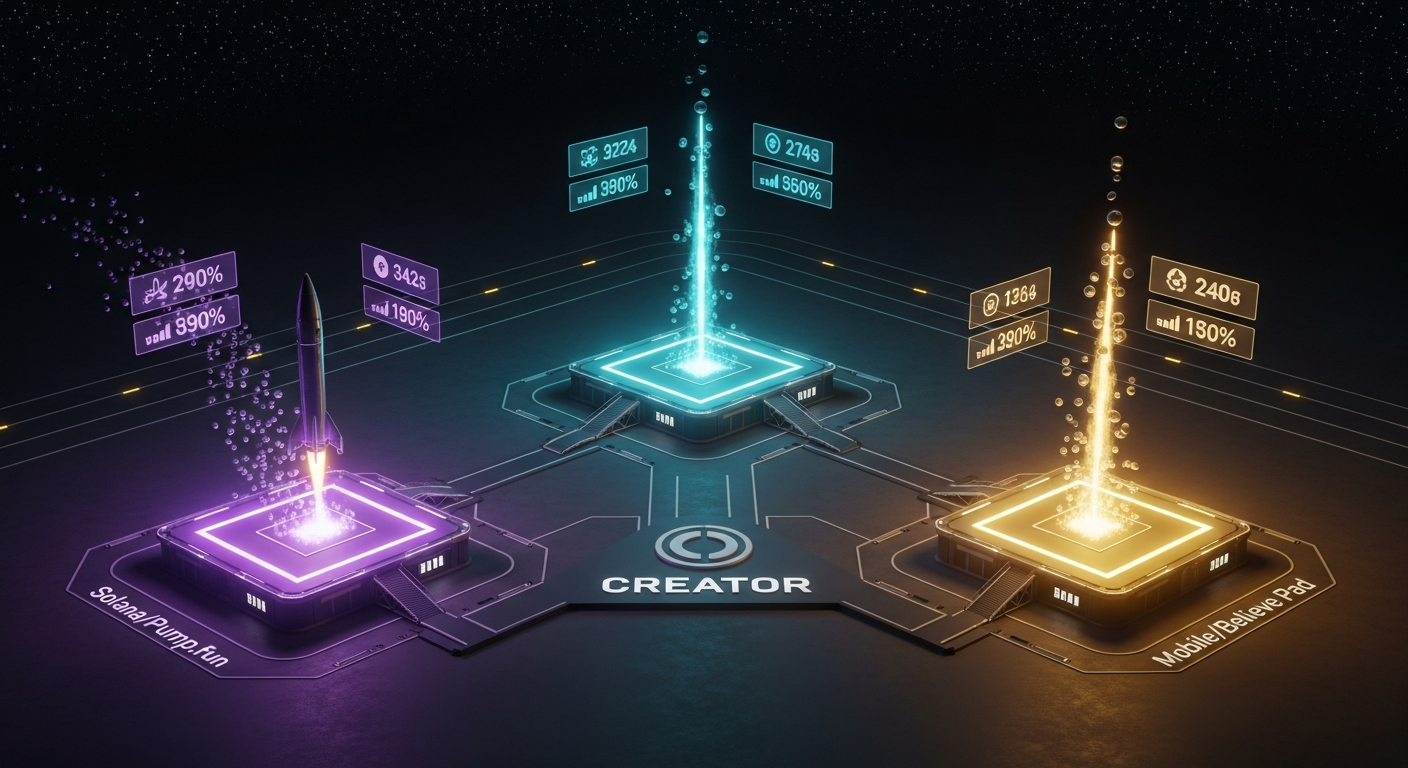
Step 2: Launch a token. Platforms like Clanker, Pump.fun, and Believe let you create tokens in seconds. No code required. No upfront capital.
Step 3: Earn from trading fees. Every time someone buys or sells your token, you earn a cut. Pump.fun gives creators 50% of the 1% trading fee. Clanker gives 40%.
Step 4: Reinvest in product. Use fee revenue to improve your app, which drives more interest, which drives more trading, which generates more fees.
The flywheel can be powerful. But it only works if people actually want to trade your token—which usually means having something real to offer.
Why Now?
Three trends are converging to make this possible:
1. No-Code Token Launchers
Creating a token used to require smart contract development, liquidity provision, and DEX listings. Now you can launch a token by typing a message on Farcaster.
Clanker's model: post with a specific format, and your token exists. Trading starts immediately. The platform handles everything—deployment, liquidity, fee distribution.
Pump.fun popularized "bonding curves," which eliminate the need for initial liquidity. As people buy, price increases automatically. No need to pair with $50K in ETH or SOL.

2. Creator-Friendly Economics
The economics have shifted dramatically toward creators:
| Year | Platform | Creator Share |
|---|---|---|
| 2020 | Uniswap | 0% (to LPs) |
| 2023 | Friend.tech | 33% |
| 2025 | Pump.fun | 50% |
| 2026 | Believe | 50% |
Platforms are competing for builders by offering better revenue share. This makes the model actually viable for sustaining development.
3. AI-Assisted Development
"Vibecoding"—Andrej Karpathy's term for building software by describing what you want—has lowered the technical barrier to near zero.
The stack looks like:
- Describe app to Claude or Cursor → get functional code
- Deploy to Vercel → app is live
- Launch token via Clanker → funding begins
Total time: hours. Total cost: nearly zero. Total technical skill required: declining rapidly.
The Fat App Thesis Connection
This connects to a bigger shift in crypto: the "Fat App Thesis."
For years, the prevailing wisdom (the "Fat Protocol Thesis") was that base layer protocols would capture most value. Ethereum, Solana, and other L1s would be the new Amazons and Googles.
That thesis is inverting. The numbers tell the story:
- Hyperliquid: $1.24B revenue, 11 employees
- Jupiter: $250M+ revenue, ~30 people
- Pump.fun: $834M revenue, ~10 people
These are applications, not protocols. They generate revenue from usage fees, not from being the chain everyone builds on.
If apps capture most value, and apps can fund themselves through trading fees, the VC middle step becomes optional.

When It Works (and When It Doesn't)
The appcoin model isn't universal. It works best when:
Your app has natural trading interest. Memecoins work because people want to trade them. AI agents (via Virtuals Protocol) work because people speculate on which agents will succeed. Social tokens work when the creator has an audience.
You can build and iterate quickly. Trading interest fades fast. You need to compound community engagement before attention moves elsewhere.
You don't need massive upfront capital. If your project requires two years of research or specialized hardware, VCs still make sense.
It works poorly when:
You have no existing audience. Random tokens from unknown creators rarely generate sustained interest.
Your product requires long development. The model favors speed. Deep tech projects need patient capital.
You're in a heavily regulated space. Token launches in DeFi or consumer apps work. Launching a securities trading token is asking for trouble.
The Risk Reality
Let's be honest: most tokens launched this way will go to zero.
Pump.fun has seen 13 million+ tokens created. The vast majority are worthless. The success stories make headlines, but they're outliers.
The failure modes:
- No product underneath. Pure speculation dies when interest wanes.
- Volume cliff after launch. Trading drops 99%, fee revenue evaporates.
- Regulatory action. Unclear legal status in most jurisdictions.
- Competition from next trend. Attention moves fast in crypto.
The model works for some builders. It's not a cheat code for everyone.
Practical Considerations
If you're considering this approach:
Build first, token second. Have something real before you launch. "Token for a product I'll build later" rarely works.
Understand the economics. At 50% of 1% fees, you need $10M in trading volume to earn $50K. Can you sustain that?
Have a plan for fee revenue. Are you reinvesting in product? Taking personal income? The choices shape sustainability.
Consider hybrid models. Some projects raise a small VC round ($500K-$2M) for initial development, then do community token launch. Best of both worlds, if you can get it.
Don't ignore legal reality. Token launches have regulatory implications. "Decentralized" doesn't mean "immune from law."

What It Means
The appcoin model doesn't replace VCs. It gives builders another option.
For certain types of apps—those with built-in trading interest, that can be built quickly, by teams that want to maintain control—it's now a viable path to funding and sustainability.
The combination of no-code launchers, creator-friendly economics, and AI-assisted development has lowered the barrier to the point where anyone can try.
Most attempts will fail. But the model is real. The economics work for some builders. And the successful examples are inspiring a generation to reconsider what "fundraising" means.
The VCs aren't going away. But they're no longer the only option.
That's the shift worth paying attention to.
Part of ongoing research into crypto application models. Data current as of January 2026.
Written by
Global Builders Club
Global Builders Club
If you found this content valuable, consider donating with crypto.
Suggested Donation: $5-15
Donation Wallet:
0xEc8d88...6EBdF8Accepts:
Supported Chains:
Your support helps Global Builders Club continue creating valuable content and events for the community.